Strata: Binary-to-SBOM
Point it at a stripped binary. It tells you which open-source libraries are inside, which versions, and what's vulnerable. No source required.
Fortitude Omnis · R&D
This is the Fortitude Omnis research lab. It holds working prototypes across graphics, machine learning, security and systems, each one a genuinely hard problem taken on for its own sake. Everything here is built in the open and written up with its reasoning, because engineering you can inspect beats engineering you take on trust.
Point it at a stripped binary. It tells you which open-source libraries are inside, which versions, and what's vulnerable. No source required.
Attach it to a running .NET process and watch the memory move: allocations rising as a live flame graph, garbage collections sweeping through, and a leak revealing itself as the one glowing ridge that won't come down.
Run a package's install script inside a throwaway, hardware-isolated micro-VM and watch everything it touches live: every process, file, secret read and outbound connection, traced at the syscall level and diffed against how a package should behave.
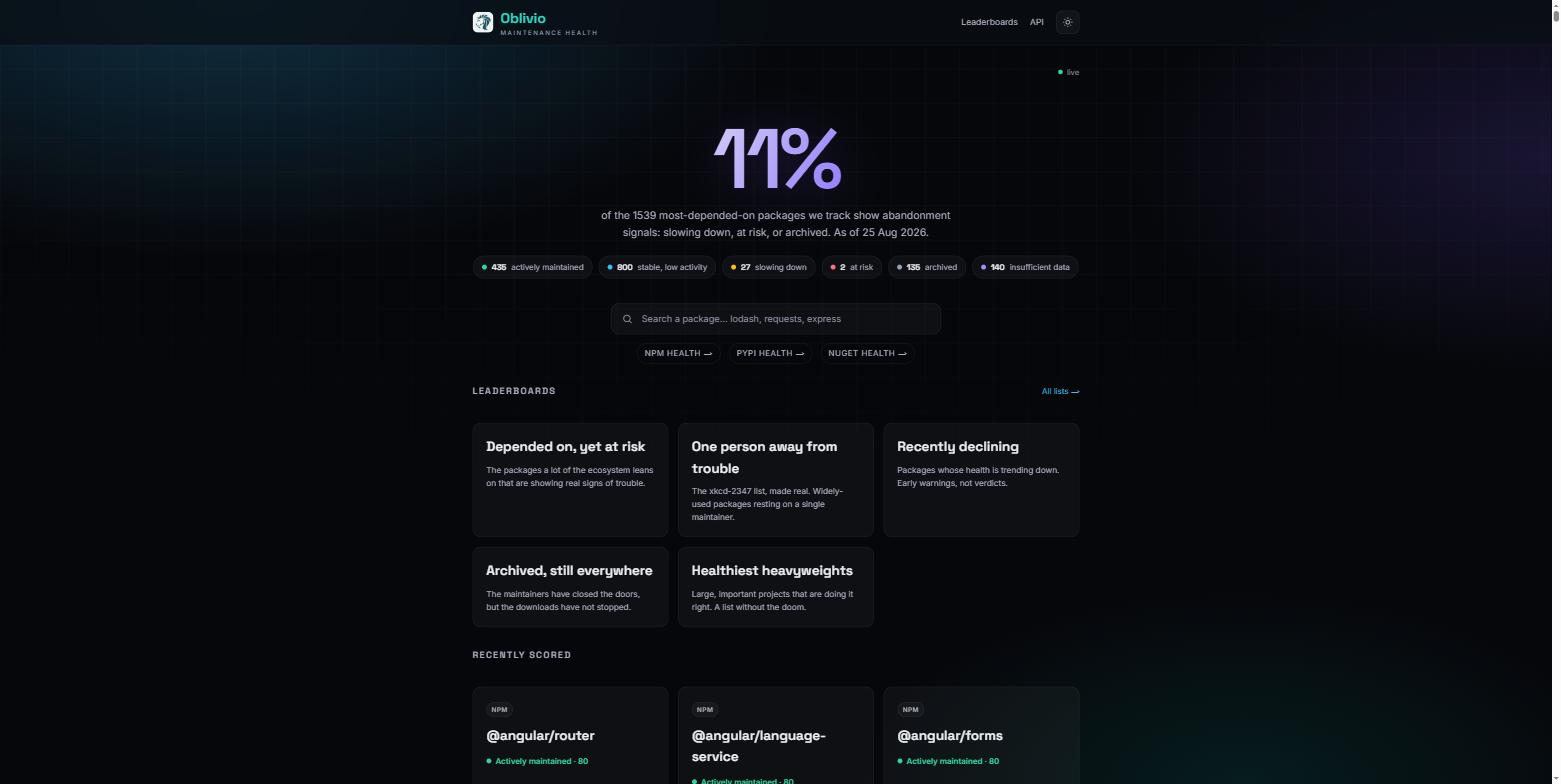
A free, public health check for the open-source packages the world leans on. It scores the most-depended-on libraries on npm, PyPI and NuGet against a transparent rubric, last release, commit velocity, bus factor, issue-response decay, so abandonment shows up as a risk you can price instead of a CVE you find the hard way.
An open, reproducible benchmark for LLM routing efficiency. On fresh problems the models can't have memorised, ideal routing beats the frontier model's quality at roughly 60% lower cost, and every number re-grades offline with zero API calls.
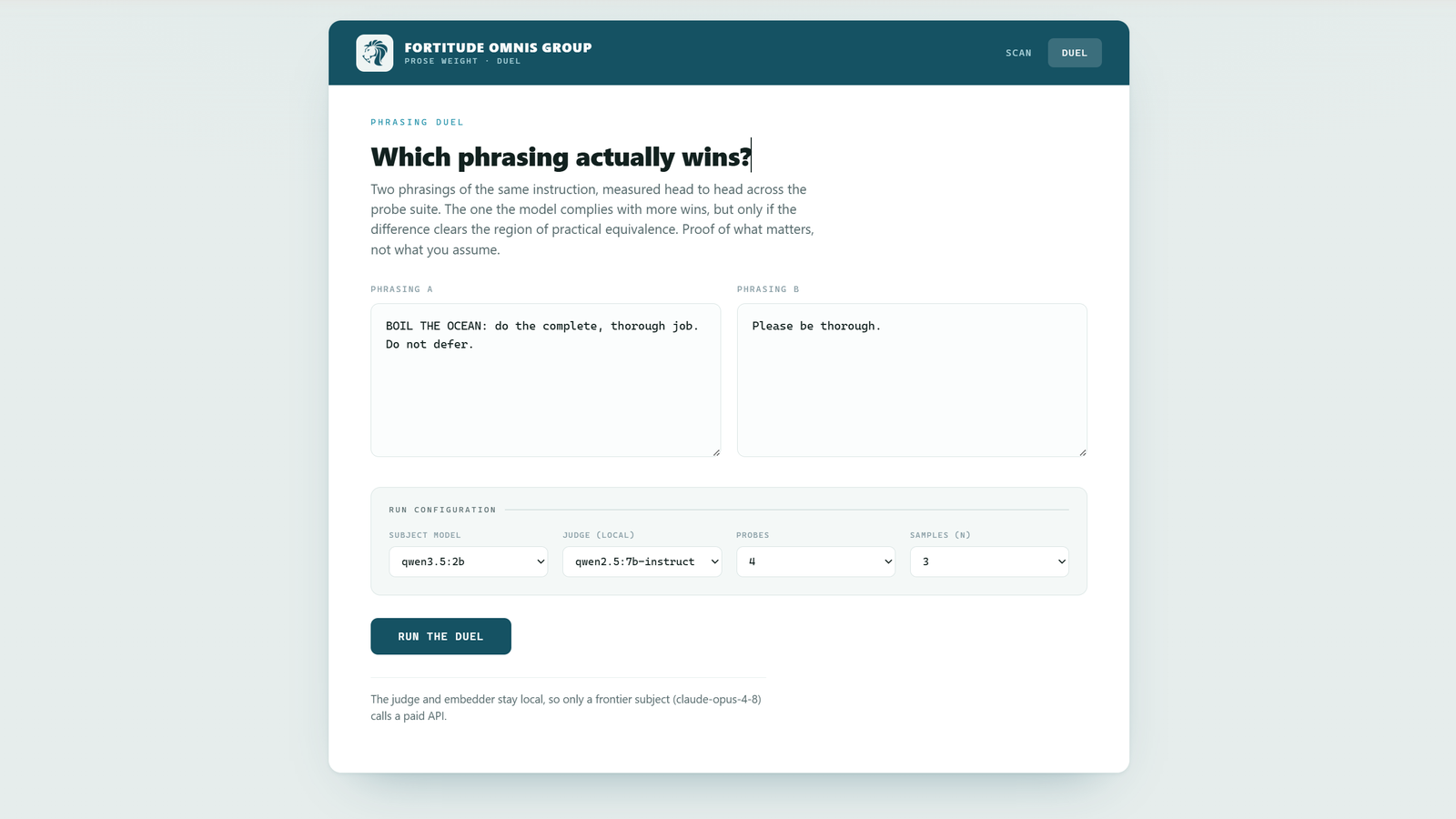
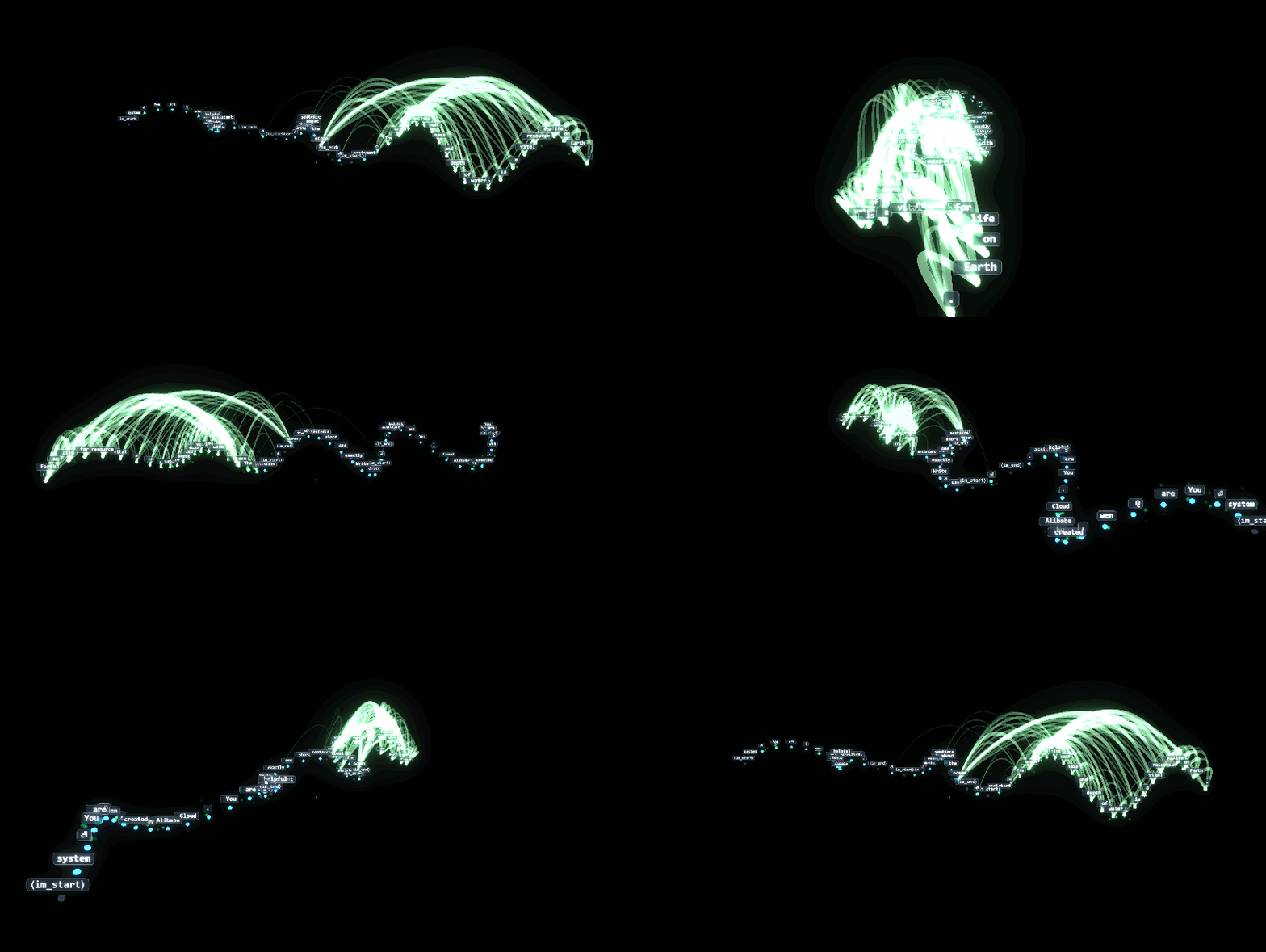
Paste a system prompt and see which instructions actually carry behavioural weight and which are ballast, measured empirically against a local model, or a frontier one, instead of guessed at.
A language model running entirely in the browser, with the matmul, attention, softmax and RoPE kernels hand-written in WGSL, quantised weights, and a live benchmark against an off-the-shelf runtime.
Given a project and its CVE list, it builds a call graph from the real entry points and works out which vulnerable functions are actually reachable, often turning hundreds of findings into a handful, each with the path that proves it.
Aggregate, opt-in analytics for a team running coding agents: what the agents cost, what they ship, which models they lean on, and where the human hours actually go. Team and department level, never a per-developer scoreboard.
Rebuild the most-used packages on npm, PyPI and crates from the source commit they claim, diff the result against the published artefact, and keep a public scoreboard of what reproduces, what doesn't, and why.
Point it at a pcap or a live tap and it reads each TLS handshake to flag the traffic a future quantum computer could decrypt from a recording made today. A concrete list of services and volumes, not an abstract panic.